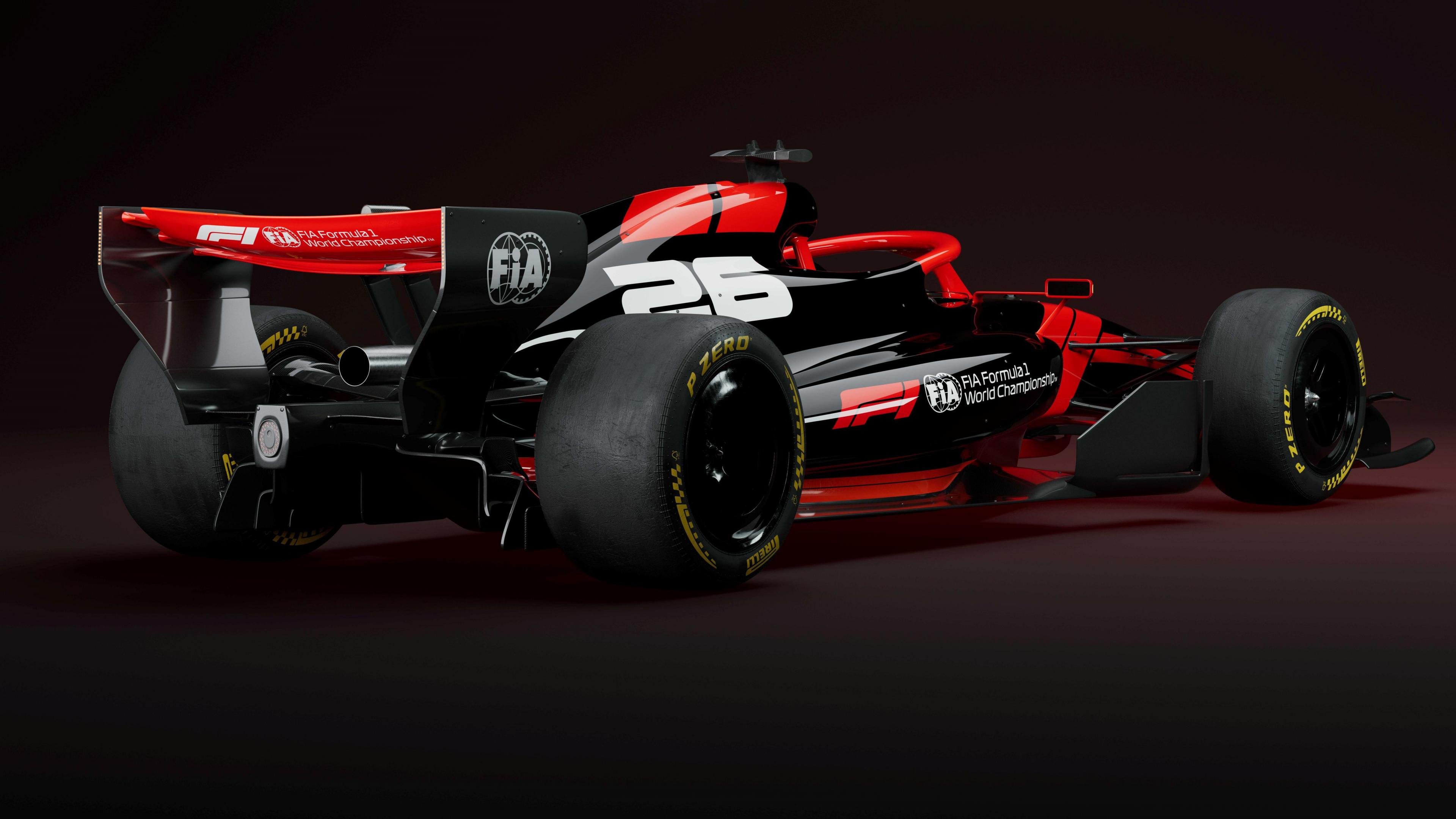
The 2026 Formula 1 cars are set to be more compact, agile and eco-conscious compared to current models.
Formula 1 has revealed the simplified language that will be used to reference the technical complexities of its new 2026 rulebook.
The championship is introducing what is considered the most significant technical shift in its competitive history starting in 2026, featuring fresh chassis and power unit regulations and the required adoption of 100% sustainable fuels.
The new power units, which retain the 1.6-litre V6 configuration, boast a significantly increased electrical capacity, necessitating major innovations in the cars' aerodynamics.
During grand prix events, pilots will strategically manage ERS energy – sometimes even flying laps – to extract the optimal lap time.
Wide-ranging research were conducted with a wide range of fans, including new, casual and core fans, to understand which terminology would aid comprehension of the key features of the 2026 changes.
The primary aim was to render a range of advanced new areas of the racing as easy to grasp as possible for the widest audience.
Consequently, older technical labels for some systems – such as "x-mode and z-mode" for the active aerodynamics – have been phased out in preference for descriptive names that directly explain the real-world effect of the system.
Key Technical Innovations
The FIA states that competitors will have more power to make decisions regarding power usage, harvesting, and saving energy.
The upcoming changes feature a set of functions that will be shown on TV overlays to improve the viewers' comprehension of the strategic duel.
- Overtake Mode: This replaces the existing Drag Reduction System. It provides a surge of additional ERS power available when a competitor is within one second the car ahead to facilitate an overtaking maneuver.
- Power Mode: This is a manual energy deployment from the hybrid system that can be utilized during offensive or defensive moves. It provides the pilot full engine and battery energy at the activation of a control.
Both of these crucial modes will have to be managed carefully, as the overall battery capacity is restricted.
- Active Aero: Both the nose and rear wings adjust their angles – opening on the long straight sections for reduced drag and higher speed, and closing in the turns for optimal cornering performance.
- Battery Recharge: The system can replenish their battery with energy harvested under braking, or during coasting at the conclusion of a straight or in certain corners where only partial power is required.
What's Changing on the Cars?
The next-generation machines will be reduced in size and weight relative to current models, with a distance between axles cut by 200mm to 3,400mm, width narrowed by 100mm – down to 1,900mm – and the car weight decreased by 30kg.
Cumulative downforce is projected to decrease by approximately 15-30%, although squads will inevitably claw this back as they refine their designs.
Air resistance has been slashed by 40%. The vehicles will utilize active aerodynamics – both wings will open on the straights to reduce drag and increase straightline speed and return into place for peak handling.
Tyres will continue to use the current rim size, but the tyres themselves will be slimmer, by 25mm at the front and 30 millimetres on the rear axle.
2026 Engine Regulations
The 2026 engines will have an approximate 50-50 split in energy output by the ICE and the electrical system, up from about 20% battery contribution this year.
The hybrid system is made less complex through the deletion of the Motor Generator Unit – Heat, the intricate and expensive unit that recovered energy from the turbo.
Every car on the grid will be mandated to operate on fully sustainable fuel, manufactured from organic sources or synthetic production methods.


